
By Samwel Doe Ouma
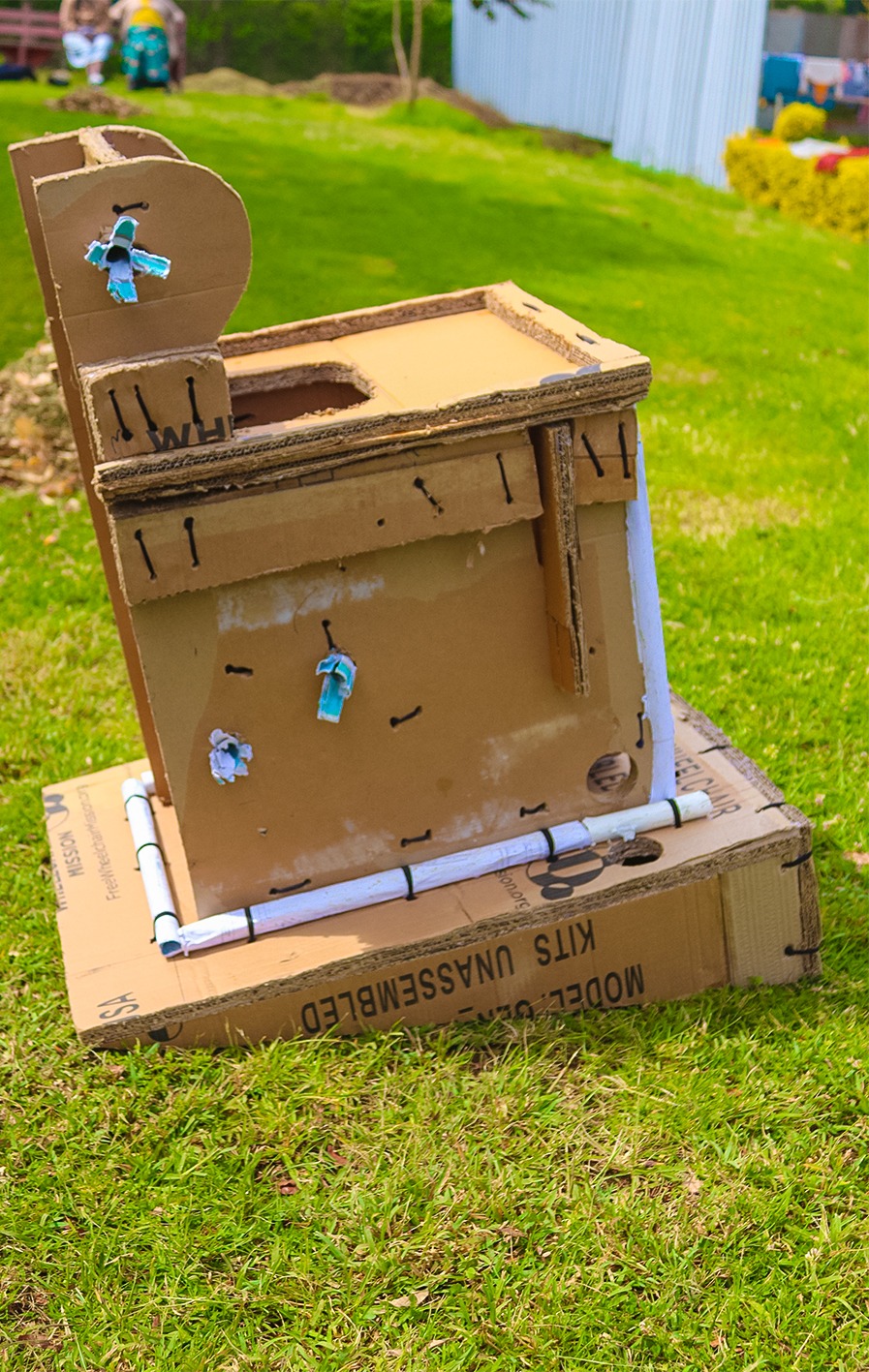
Inside a modest workshop run by BethanyKids Kenya, assistive devices technicians carefully layer recycled paper to build customized seating and standing aids that help children who cannot sit or stand on their own.
The technology, known as Appropriate Paper-Based Technology (APT), offers an affordable alternative to expensive imported mobility aids, giving families new hope and children a chance to engage with the world around them.
The initiative provides low-cost posture and mobility support for children who are unable to sit or stand independently.
“For many of these children, just being able to sit upright makes a huge difference,” said Jessica Matumbai, an occupational therapist who helps manage the programme. “It improves their breathing, digestion, communication, and how they interact with the world around them.”
APT was first developed in Zimbabwe in the 1980s and has since spread globally as a simple but effective approach to assistive technology.
The method involves layering recycled cardboard and paper to create strong, customized seating and standing aids designed to support children with special needs experiencing developmental delays to gain better posture and development.
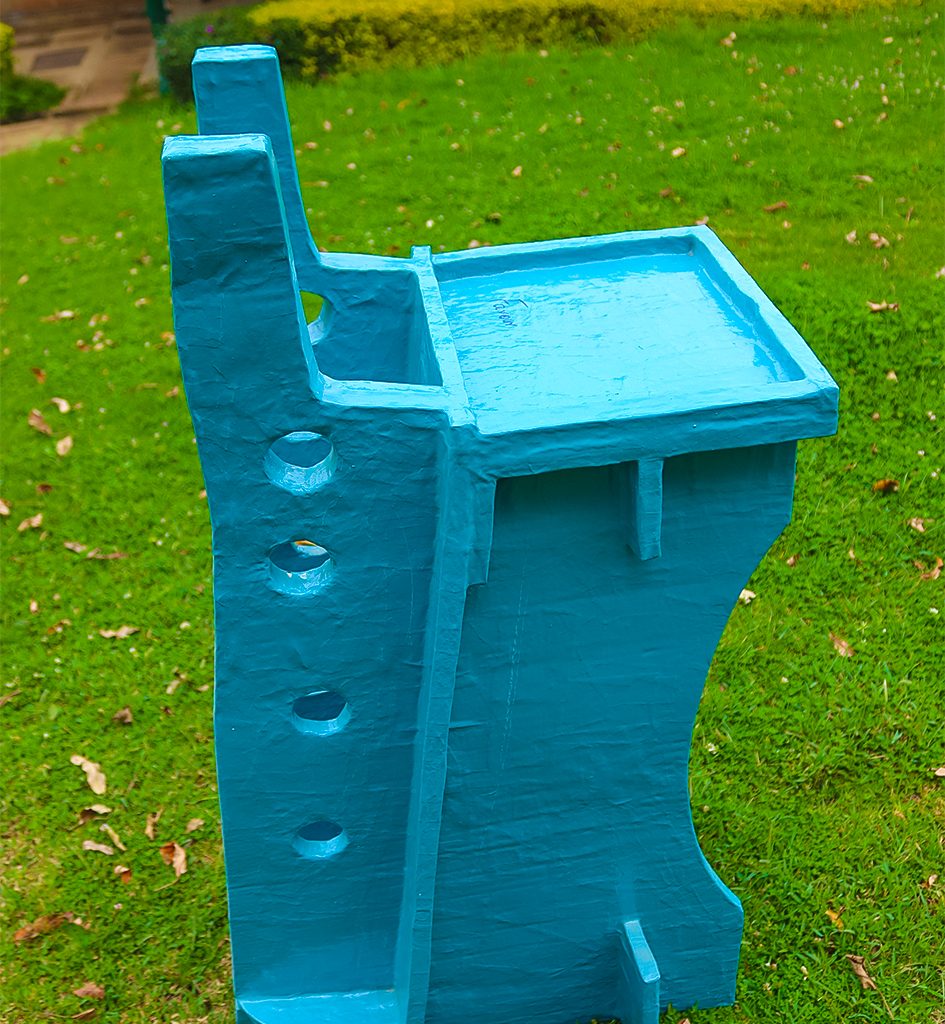
A completed APT standing frame
Before an APT device is built, therapists assess each child’s physical condition.
“We take detailed measurements of their body and look at things like muscle tone, posture, or whether they have a spinal curve,” Jessica said. “Then we design a device that fits that specific child.”
The devices are tailored to each child’s needs, allowing therapists to adjust angles and support points to achieve the best fit. The goal is to ensure the device is appropriate for the child’s physical condition and developmental needs.
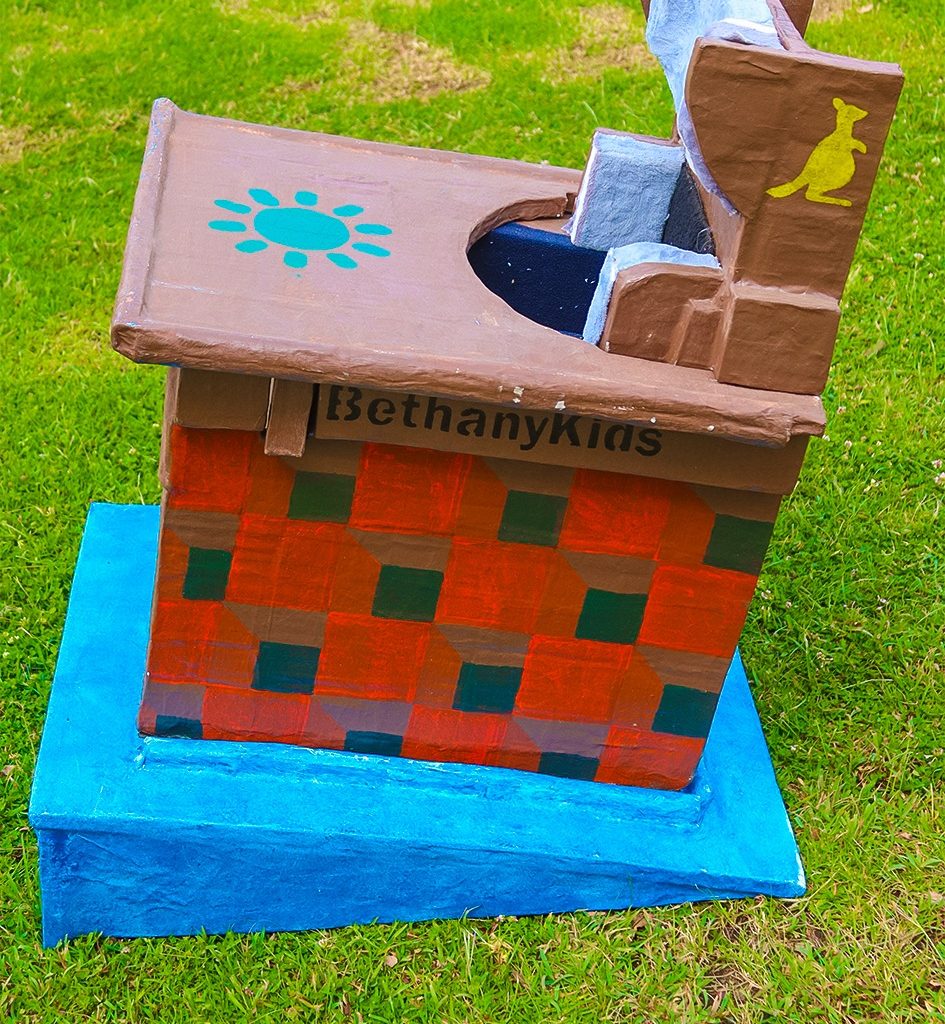
A completed APT seating chair
The approach is similar to wheelchair fitting, but the materials used are far simpler and more affordable.
She says that through community support and ownership of the project, most of the devices are made from donated cardboard boxes and recycled paper. The adhesive used to bind the layers is produced from wheat flour and water, while paint is applied to seal and strengthen the surface.
The programme at BethanyKids began in February 2023 after staff received training from Potter’s House, an organization with long experience in producing APT devices.
Since then, the small team has produced hundreds of devices for children across Kenya, with the hope to create much more as the need for the devices is still huge.
Production remains modest because the process requires multiple layers of paper and long drying periods to ensure strength.
“We currently produce about four to six devices per month,” Jessica said. “It’s not complicated, but it is time-consuming.”
The devices are particularly useful for children with conditions such as Spina Bifida, Hydrocephalus, and Cerebral Palsy, which can affect mobility and physical development.
Some children with these conditions struggle to sit independently during early development, making posture support essential.
“When children are upright instead of lying on the floor, they can see and interact with people around them,” Jessica said. “It helps them communicate and engage with their environment.”
The benefits extend beyond the child to caregivers, who often shoulder the physical and emotional demands of daily care.
Before a device is provided, therapists assess the family’s needs and train parents on how to use it safely at home.
“We show caregivers how to gradually introduce the child to the device and how long they should sit or stand in it,” Jessica said. “We also follow up to see how the child is progressing.”
Parents frequently report improvements in feeding, communication, and overall comfort.
Demand for the devices has grown rapidly, leaving the programme with a long waiting list.
“We already have requests that will keep us busy through most of the year,” Jessica said, noting that the biggest challenge is limited staffing.
“We need more trained people to build the devices and help meet the demand.”
The programme encourages families to contribute about 2,000 Kenyan shillings ($15) toward production costs so they feel ownership of the device, though no child is turned away if they cannot pay.
Comparable seating systems imported from abroad, often made of plastic or metal, can cost tens of thousands of shillings, placing them out of reach for many families.
The recycled paper devices also offer environmental benefits by reusing materials that might otherwise be discarded or burned.
Kenya faces a shortage of occupational therapists, particularly those specializing in pediatric care. Assistive devices like APT can help bridge that gap by extending therapy beyond clinic visits.
“If a child only sees a therapist once a week, progress can be slow,” Jessica said. “But when families have a device and a home programme, they can continue therapy activities every day.”
Children typically use the devices for several months to a year, depending on how quickly they grow. If returned in good condition, some devices can be refurbished and provided to another child.
For many families, the devices offer more than physical support; they offer hope.