
By Irene Nasimiyu
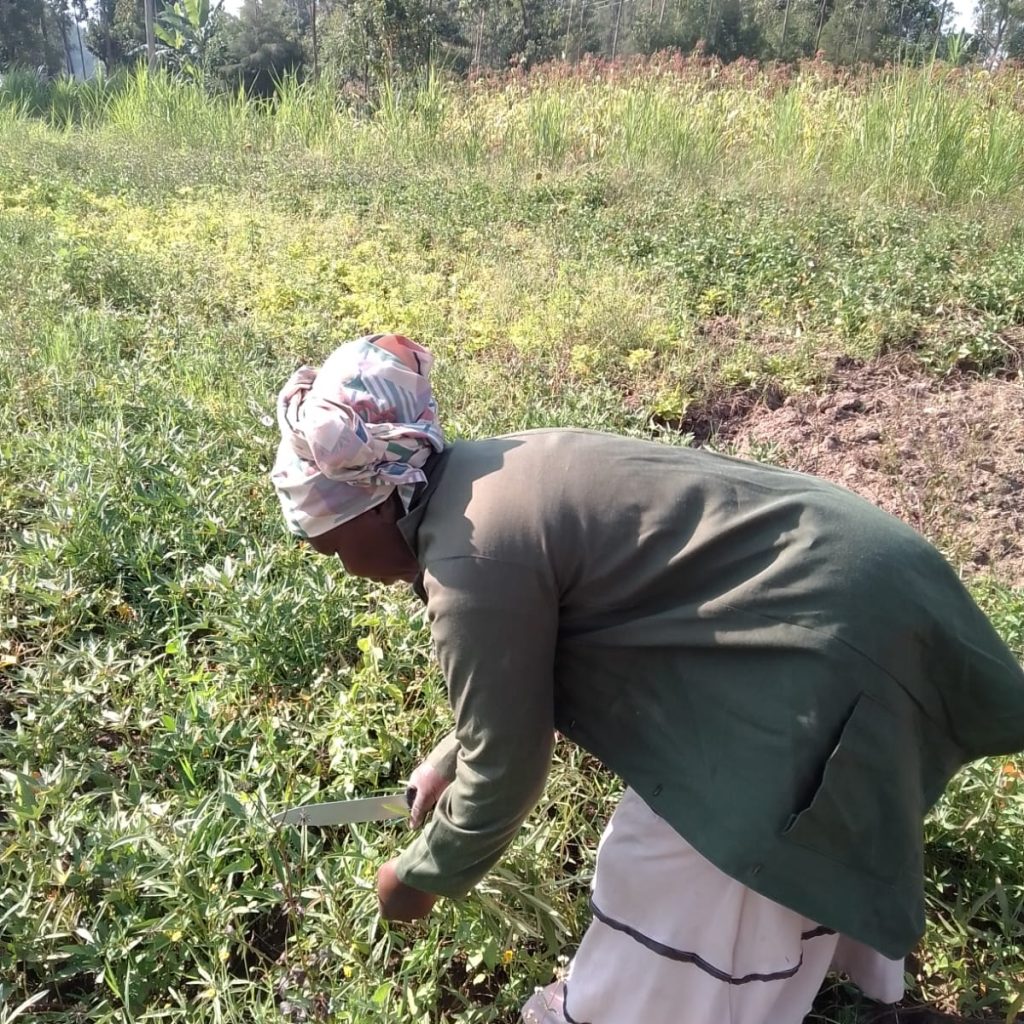
Farmer Rose Khaunga in her sweet potato farm
In Mumias West, the morning sun falls gently over rolling green hills and tall maize stalks, giving the impression of abundance. But beneath that promise, farmers face a quiet crisis. At the Farmers’ Field Day, thousands gathered to confront a thief many know too well: post-harvest loss, which steals nearly four out of every ten bags of produce before it can reach the table or the market.
Kenya’s agricultural conversation has often focused on the beginning of the season: planting, subsidised fertiliser and prayers for rain. But Jacky Ngoti, the Sub-County Agribusiness Officer in Mumias West, reminded farmers that the real battle for food security is often lost after the harvest. According to recent research by the World Resources Institute Africa, in partnership with Jomo Kenyatta University of Agriculture and Technology and the Food and Land Use Coalition Kenya, the country loses about 30 per cent of its maize harvest to post-harvest mismanagement. In Kakamega County, the loss rises to 36 per cent.
Put simply, for every three months a farmer spends working the red soils of Western Kenya, more than one month of that labour can disappear. The losses come through moisture, weevils, rotting during transport and inadequate storage facilities in homesteads across Mumias.
The Nutritional Blind Spot
The Farmers’ Field Day became more than a lesson in storage. It also pushed farmers to ask a deeper question: What are we eating, and why are we growing so little variety?
For decades, maize has dominated the Kenyan table. But Milka Onzere, a nutritionist at Mumias Hospital, warned that dependence on one staple has consequences. “Monoculture is a primary driver of hidden hunger. We are filling our bellies, but we are starving our cells,” she noted. Farmers were urged to look back in order to move forward by reclaiming traditional foods such as finger millet and sorghum. Far from being “poor man’s foods,” these crops are resilient, drought-tolerant and rich in the nutrients that sustained earlier generations.
Agricultural officers also challenged households to think beyond grains. Each homestead, they said, should aim to plant at least five types of fruit trees, turning small farms into sources of both food and nutrition. The message was clear: true food security must combine energy-giving staples with body-building proteins, fruits and other nutrient-rich foods.
Portrait of Resilience: The Story of Rose Khaunga
If the statistics explained the scale of the problem, Rose Khaunga showed what a solution can look like.
Twelve years ago, Rose’s life changed when her husband passed away. In many rural households, the loss of a patriarch can trigger uncertainty, land disputes or a decline in farm productivity. But Rose, raised in a family of dedicated farmers, refused to let grief turn her fields fallow.
“Farming is not just what I do; it is who I am,” Rose says, her voice steady and full of the authority that comes from a decade of trial and error.
Rose realised early on that she could not follow the traditional path of simply harvesting and selling raw produce at whatever price the middleman offered.
She has embraced value addition as a way of increasing the income she earns from her farm. Beyond growing crops, she processes her produce into marketable products. She makes wine from juice extracted from sweet potatoes, produces crispy sweet potato chips and roasts both the common yellow soya beans and the black soya bean variety, which she packages and sells during school field days and to customers across Kakamega. Her farm showcases a wide range of sweet potato varieties, including Kabode, Vitaa, Irene, Naspot and the locally grown white- and purple-fleshed types demonstrating the rich diversity of the crop and offering visitors practical lessons on their different uses and market potential.
By processing her sweet potatoes and soyabeans into nutrient-dense flours and snacks, Rose effectively eliminated her post-harvest waste. While her neighbours watched their potatoes rot in the damp ground, Rose was drying and milling hers, extending their shelf life from weeks to months.
From Mumias to the World
Her innovation did more than feed her children. It built a bridge to the world. Today, Rose’s products are a staple in markets across Kakamega and beyond. Her expertise in soyabean value addition a crop often overlooked in Western Kenya, introduced her to a network of intentional friends and international agricultural partners.
She has become a consultant of sorts and a living laboratory for agricultural demos. As the Field Farmers' Day gathering dispersed and the crowds drifted back to their villages, the challenge remained clear. The invisible thief stalking Kakamega's granaries will not be defeated by bigger harvests alone. It will be beaten by better storage, smarter value addition and a renewed appreciation for diverse, nutritious crops. Farmers like Rose Khaunga have already shown the way. The question now is whether policy, investment and communities will move quickly enough to ensure that the next harvest fills not only the silos, but also the futures of the families who depend on them.