
By Samwel Doe Ouma
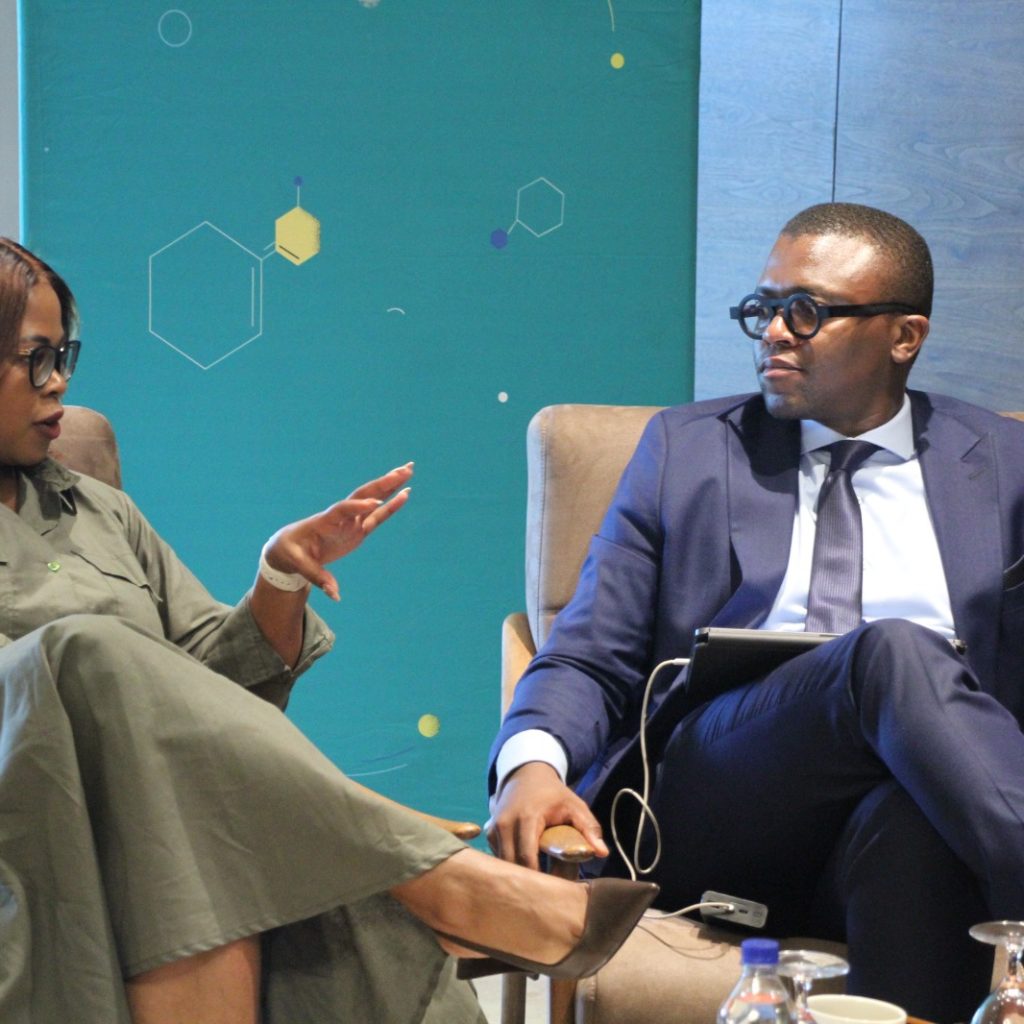
Biopharmaceutical manufacturer- MSD has announced an expansion of access to human papillomavirus (HPV) vaccines to cover boys, older women and broader cancer treatment options in Africa, betting on stronger private-sector partnerships with governments, insurers and healthcare providers to help tackle one of the region’s deadliest but most preventable diseases — cervical cancer.
According to Zwelethu Bashman, managing director of MSD Sub-Saharan Africa, the drugmaker will launch a private market business in Kenya and across sub-Saharan Africa in September, opening new channels for HPV vaccines and oncology products beyond state-funded immunization programmes targeting girls aged 9 to 14.
“MSD’s new strategy aims to complement public immunization programmes by extending access to boys, adult women and other groups not typically covered by government-funded vaccination drives,”
He explained that most public HPV vaccination programmes in Africa target girls aged 9 to 14, reflecting World Health Organization guidance that vaccination before exposure to the virus offers the greatest benefit.
“The multiplier effect of women in our society is incredible,” Zwelethu said. “They are usually the caregivers at home. They are usually the ones who drive the education of their children. If disease impacts those critical pillars of society, the downstream consequences are significant.”
Zwelethu said many adult women missed the vaccine when programmes were introduced because they were already beyond school age, while initial roll-outs in most African countries did not include boys.
“Adult women are important. They should still be able to access protection through private insurance, reimbursement or out-of-pocket options through private sector healthcare providers,” Zwelethu said.
The move comes as African countries face some of the world’s highest cervical cancer death rates, with health systems struggling to scale vaccination, screening and treatment. Cervical cancer is caused primarily by persistent HPV infection and is largely preventable through vaccination and early detection.
He said that beyond HPV vaccines, MSD plans to introduce immuno-oncology programme in the region from September as part of broader efforts to expand access to innovative cancer treatment.
Zwelethu said MSD has worked with ministries of health, Gavi and UNICEF over the past 15 years to support HPV vaccination rollouts that have reached more than 115 million girls in over 32 countries in sub-Saharan Africa, with annual vaccinations rising from about 7.5 million girls in 2020 to around 17 million last year.
“MSD is involved in women’s cancers, led by cervical and breast cancers. The two continue to exact a heavy toll across Africa,” he said.
Vuyo Mjekula, MSD external affairs director for Sub-Saharan Africa, said broader collaboration across the public and private sectors would be critical to improving access to healthcare innovation on the continent.
Mjekula said Africa’s healthcare challenges require what she called an “all of society approach,” bringing together governments, private companies, civil society, researchers and patient groups.
“What’s most important is the dialogue happening here in Nairobi today where leaders, health proffesionals and patient focus groups have convened to advance actionable solutions, catalyse investment and strengthen public-private partnerships in healthcare,” Mjekula said. “We have representation from ministries of health, the private sector, civil society organizations, academia and patient focus organizations.”
According to MSD, sub-Saharan Africa accounts for nearly a quarter of global cervical cancer deaths, while 19 of the 20 countries with the highest disease burden are in the region. In Kenya, about 5,845 new cervical cancer cases and 3,600 deaths are recorded annually.
She said that vaccinating boys and other at-risk groups could also strengthen long-term prevention efforts.
“We believe these products should be available to those cohorts that are not included in the public programme,” Mjekula said.
SHIFT TO HIGHER-VALENCY VACCINES
Zwelethu explained that Africa is approaching an important transition in HPV vaccine technology after Gavi, the Vaccine Alliance, made a provisional decision in December 2025 to include higher-valency HPV vaccines in its portfolio.
He said that many African countries currently use quadrivalent vaccines, which protect against strains linked to about 70percent of cervical cancer cases globally. Nine-valent vaccines cover additional cancer-causing strains associated with roughly 90percent of cases.
“There is a very clear benefit in transitioning to the nine-valent HPV vaccine, but that does not necessarily mean the four-valent vaccine is less effective,” Zwelethu said. “It remains effective for what it was designed and approved to do.”
Zwelethu said national immunization advisory groups would decide whether to adopt newer products and whether to use the World Health Organization-backed single-dose schedule or continue with two doses.
Kenya has already transitioned to a single-dose HPV vaccination regimen and launched a costed five-year cervical cancer strategy aligned with WHO 90-70-90 elimination targets.
In addition, the National Cancer Control Strategy and reforms under the Universal Health Coverage framework are expected to expand screening, diagnostics and treatment for women’s cancers.
Zwelethu said MSD for Mothers has invested more than $27 million in Kenya over the past decade through partnerships aimed at strengthening health systems, cancer care and maternal care.
Mjekula said the ultimate goal was to ensure geography no longer determines access to lifesaving care.
“Anybody who needs a medicine or a vaccine should be able to access it regardless of where they live,” Mjekula said.
She added that through partnerships with organisations such as City Cancer Challenge, MSD is helping improve awareness, screening and access to cancer care in cities including Nairobi, Kumasi, Abuja and Kigali, among others.
“Our meeting today looks to take this discussion forward and explore mechanisms for expanding access to innovative treatments and vaccines for all women who need them in a fiscally sustainable manner,” Mjekula said.