
By Samwel Doe Ouma
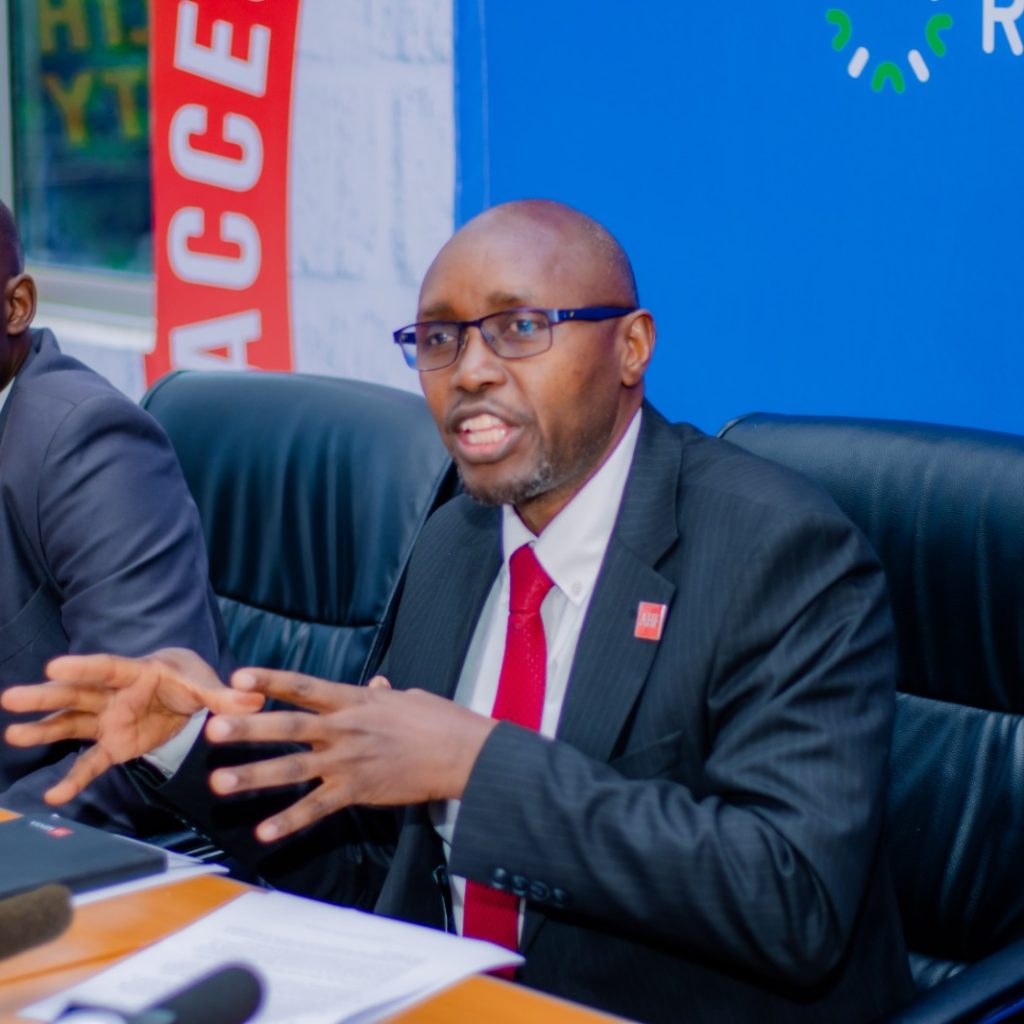
African civil society leaders warns that the continent must reject any Pathogen Access and Benefit‑Sharing (PABS) annex to the World Health Organization’s pandemic agreement that does not guarantee legally binding benefit‑sharing and technology transfer, saying a weak deal would lock in the inequities exposed by COVID‑19.
Speaking at at a news conference three days before the WHO member states reconvene in Geneva for the resumed sixth session of the Intergovernmental Working Group, Aggrey Aluso, executive director of Resilience Action Network Africa, said that we have one shot at it, adding that the pandemic agreement carried real gains, but it cannot be operationalized until the PABS annex is concluded.
“Without equity, there is no agreement.”
Aluso and other speakers urged negotiators to require enforceable commitments governing the sharing of pathogen samples and genetic sequence data and the distribution of benefits from resulting vaccines, diagnostics and therapeutics. They said Africa has too often supplied material used to develop countermeasures that were then stockpiled in wealthier countries with little compensation or affordable access for the providers.
“The history has been extractive,” Aluso said. “PABS is trying to correct those injustices and to speed equitable responses by building technology transfer and regional manufacturing into the benefits package.”
Dr. Samuel Kinyanjui, country director for the AIDS Healthcare Foundation in Kenya, said civil society will press the same message at the World Health Summit in Nairobi this week.
He warned that donor shifts are already damaging services, citing cuts to PEPFAR that he said left an estimated 54,000 Kenyan health workers unemployed and roughly one million worldwide without jobs.
“The patients didn’t go away,” Kinyanjui said. “Governments must invest health spending is an investment, not a cost and move to smarter, outcome‑based purchasing and service integration without dismantling successful HIV clinics.”
Speakers demanded concrete, binding measures in PABS: mandatory set‑asides of vaccines and therapeutics for WHO deployment, pre‑negotiated licensing and technology transfer, standardized contracts enforceable against private parties, user registration and traceability, and limits on intellectual property that block production in developing countries.
“Standardized contracts are the only instrument through which obligations can be enforced against private parties,” Kinyanjui said. “Essential terms must be settled by member states before the annex is adopted, not handed to subsequent bilateral processes that strip developing nations of bargaining power.”
Activists warned against a “hybrid” or dual‑track system circulating in Geneva that would create an “open” route without registration or benefit‑sharing obligations alongside a “closed” route with full obligations. They said private actors would flock to the unregulated path, fatally undermining the system.
“If the PABS annex is stripped of binding contracts and traceable obligations, we will have rebuilt the same architecture that failed our people the first time,” said Dan Owala, national coordinator of the People’s Health Movement Kenya.
Delegations remain deadlocked over whether PABS obligations should be mandatory or voluntary. Advocates say roughly 100 low‑ and middle‑income countries are pushing for mandatory benefit‑sharing, while some high‑income nations, particularly in the European Union, favor flexibility. Aluso singled out Germany as publicly resisting enforceable provisions.
Speakers cited data they say strengthen Africa’s negotiating position: zoonotic outbreaks on the continent rose 63percent in the decade ending 2022 compared with the prior decade, and Africa produces barely 1percent of the vaccines it consumes while carrying roughly 25percent of the global disease burden despite representing about 17percent of the world’s population.
Advocates want the annex to include a portion of countermeasures deposited for WHO deployment; Aluso cited a proposal to place 20 percent of outcomes with WHO 10 percent donated free and 10percent supplied at cost plus legally binding technology transfer and public‑domain availability of noncommercial outputs to spur regional manufacturing.
“Without a binding PABS that pressures technology transfer, the 2040 production target will be a mirage,” Aluso warned, referencing AU targets for the continent to produce 60% of its vaccines by 2040.
Speakers also urged domestic steps to boost local manufacturing: lower taxes on inputs, guaranteed public procurement for local producers, and upgraded regulatory capacity to meet WHO maturity level 3 standards. Kenya, they noted, has made strides in local manufacturing policy and regulatory maturity.
“The last pandemic was not a failure of science it was a failure of solidarity,” Owala said. “Promises do not reach clinics. A bad agreement is worse than no agreement. It legitimizes the status quo for a generation.”
Negotiators return to Geneva April 27 to May 1, the final window before the World Health Assembly in May, under pressure from civil society across Africa to secure enforceable equity measures rather than preserve narrow commercial prerogatives.
“This is not a negotiation about charity,” Aluso said. “It is about one of the most strategic resources in 21st‑century public health. A good agreement is possible now the political will must follow.”