
By Deborah Cheloti
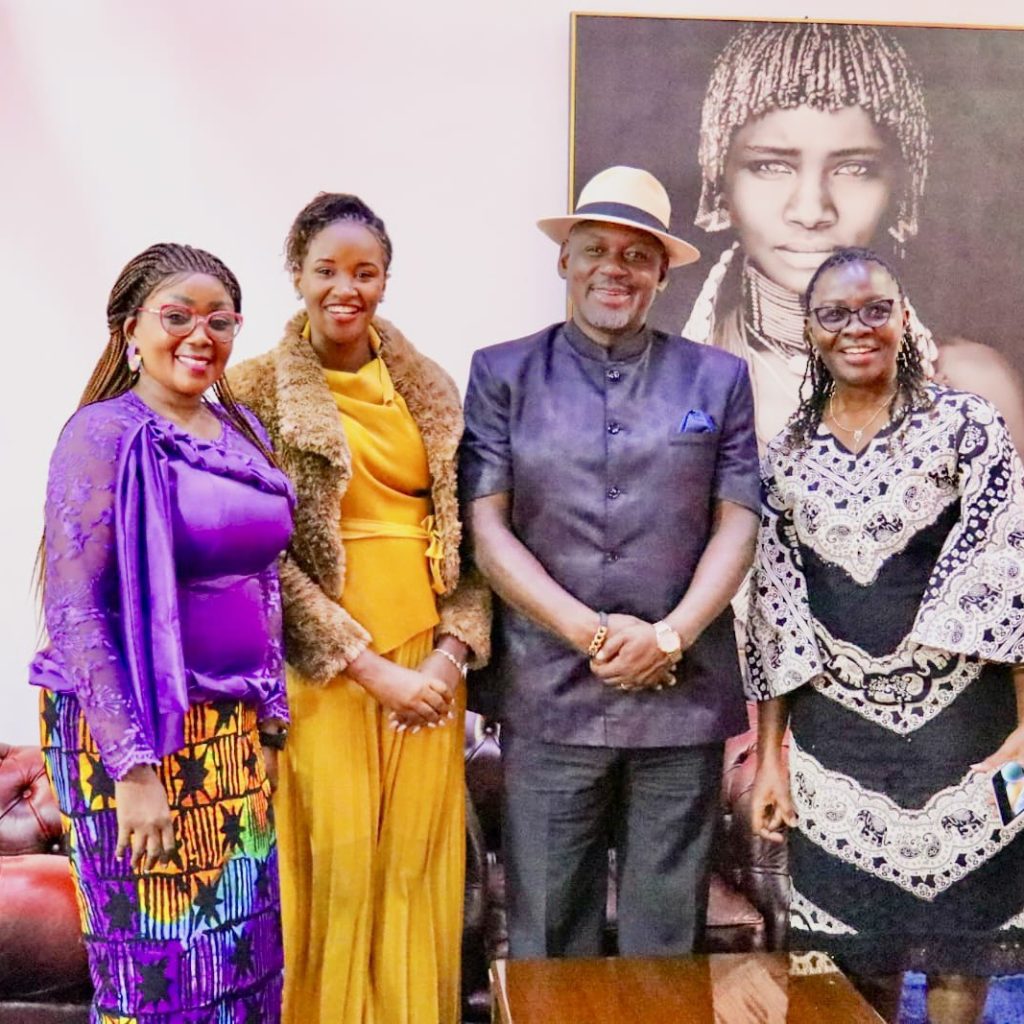
The Civil Society Organizations (CSO’s) urges Kenyan parliamentarians to pass the Widowed Persons Protection Bill as they marked International Widow Day in Nairobi.
According to the CSO’s, The Come Together Widows and Orphans Organization (CTWOO) and Equality Now, there are widespread discrimination, particularly by women who routinely face issues including disinheritance, confiscation of property and harmful cultural practices such as widow inheritance and widow cleansing.
The CSOs says that turning this comprehensive bill into law would provide all widowed persons with long overdue legal protections against all pending issues.
Dr. Diana Kamande, Executive Director of CTWOO, who founded the organization after experiencing discrimination, dispossession and blame following the death of her abusive husband, says legal rights are often inaccessible in practice and undermined by custom, community pressure and unequal family power dynamics.
She explained that, “Every week, women come to CTWOO after losing their husbands and then their home, their dignity, sometimes evens their children. Kenya’s Widowed Persons Protection Bill draws a clear line between cultural practices that strengthen communities and those causing harm. Culture is not static. It can evolve in ways that acknowledge tradition while ensuring widows are afforded the same dignity, equality, and protection under the law as everyone else.”
The proposed Widowed Persons Protection Bill outlines a thorough restructuring of the legal framework to systematically eradicate these systemic rights violations.
The Bill explicitly criminalizes coercive mourning rites such as scarification, forced fasting, denial of medical care, forced shaving of hair and ritual ‘purification’ through forced sexual intercourse alongside predatory traditions, like widow inheritance and forced marriage.
It firmly establishes that the unlawful seizure of a widowed person’s property or eviction from a matrimonial home constitutes a punishable criminal offense.
Furthermore, the legislation addresses modern challenges by legally guaranteeing a widow's right to digital safety to combat emerging waves of online harassment and inheritance scams.
This is while simultaneously amending the Law of Succession Act so that widows retain their inheritance upon remarriage and wives within polygamous unions inherit in their own independent right.
To operationalize these protections, the bill mandates the creation of a specialized Widowed Persons Protection Board. This state entity will collect disaggregated data, investigate rights violations, advise on policy reform, facilitate access to legal aid and thereafter coordinate national counselling services.
Additionally, county governments will be legally required to allocate fiscal resources to establish emergency shelters and local justice centres for displaced widows. This comprehensive legal overhaul aligns Kenya’s domestic laws directly with regional commitments under the Maputo Protocol, which explicitly mandates African states to protect widows from inhuman treatment and safeguard their property rights.
Deborah Nyokabi, Equality Now, Human Rights Lawyer, stated that the enactment of this bill would position Kenya as a pioneer in human rights documentation across the continent.
She highlighted that translating regional treaties into enforceable domestic laws offers a functional template for neighbouring states, noting; “If enacted, Kenya’s Widowed Persons Protection Bill, 2026, would set a precedent as the first dedicated widowed persons’ rights law in Africa.”
By addressing legal, social, and economic harms together, it would provide a blueprint for reform in other African countries, where widows face similar discrimination, abuse, and inadequate legal safeguards.
“Kenyan lawmakers can transform commitments under the Maputo Protocol and Convention on the Elimination of All Forms of Discrimination against Women (CEDAW) into meaningful protections for widows,” she said adding that, “Passing the Bill is an opportunity to show that discrimination, dispossession, and harmful practices are not inevitable consequences of widowhood, but rights violations that must be prevented and punished.” Nyokabi said.
Dr. Kamande in her closing remarks, voiced that the push for legislative reform is ultimately a call to recognize widows not as passive victims of circumstance, but as active political stakeholders and leaders who have organized, documented abuses and built concrete solutions.
She delivered a final, direct challenge to the nation's lawmakers, asserting that, “Widowed women are not just survivors; we are leaders, advocates and agents of change. We have spoken out, organised, documented abuses, and helped develop solutions. We urge MPs to match our efforts by passing the Widowed Persons Protection Bill, 2026, before the current legislative session ends.”