
By Samwel Doe Ouma
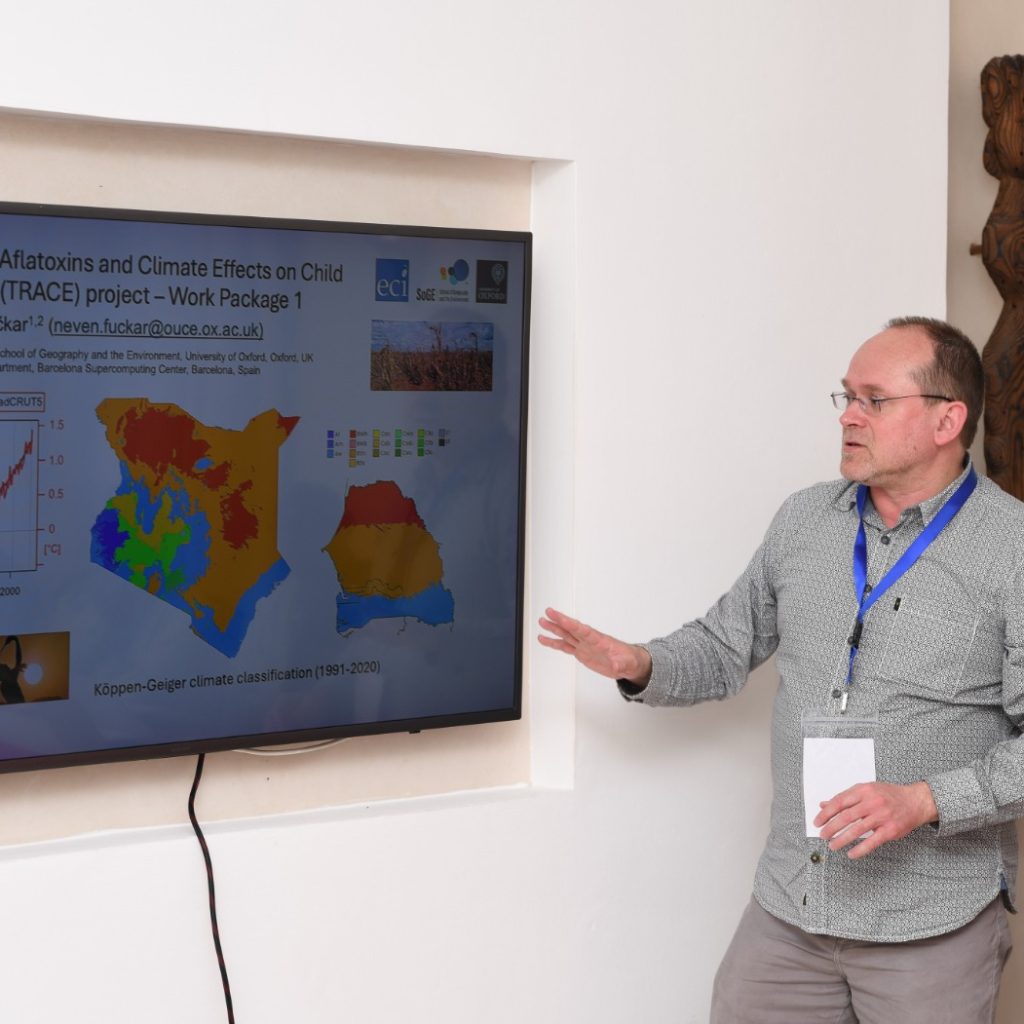
Researchers in Kenya and international partners have launched a major study into how climate change is worsening exposure to aflatoxins, toxic chemicals found in staple foods such as maize and groundnuts, and the growing toll on children’s health across Africa.
Scientists say the toxins, produced by certain fungi, are a hidden but common threat in many households where maize and peanuts are daily foods. While aflatoxins are widely associated with liver cancer and fatal poisoning outbreaks, researchers warn that low-level exposure over time may be silently harming millions of children.
The new project, known as TRACE — Tackling the Risks of Aflatoxins and Climate Effects on Child Health in Africa - is led by the KEMRI-Wellcome Trust Research Programme and aims to place aflatoxins at the center of child health and climate adaptation policy.
“Aflatoxin contamination is a hidden everyday reality in many African households,” said KEMRI Director General Prof. Elijah Songok.
Experts say chronic exposure can damage the gut lining in young children, making it harder for them to absorb nutrients and increasing the risk of malnutrition. It may also weaken the immune response to routine childhood vaccines, a possible factor in continued disease burden even in highly vaccinated communities.
Climate change is expected to deepen the crisis
Across much of Africa, smallholder farmers dry harvested crops outdoors and store them for months to feed their families until the next season. Hotter temperatures, shifting rainfall patterns and more humid conditions can create an ideal environment for fungal growth and contamination.
For poorer households, the danger can be greater. Grain rejected by commercial millers after safety testing can sometimes be diverted into animal feed markets or sold cheaply for human consumption, increasing exposure among families with few alternatives.
Researchers say the issue has often been treated as a narrow food safety problem rather than a broader public health threat tied to poverty, nutrition and climate stress.
“To address this evidence gap, we are leading the first large-scale study to directly link long-term climate data, food contamination patterns and child health outcomes across Africa,” said Prof. Ambrose Agweyu, the project’s lead investigator.
The study will combine climate science, epidemiology, immunology, economics and community research.
Scientists will analyze two decades of climate data and archived child health samples, test interventions such as Aflasafe biocontrol products and improved storage practices, and examine how toxin exposure affects immunity and vaccine performance.
The project also will model future climate risks and study how communities can adopt practical, affordable solutions.
Research will take place in coastal Kenya through the Kilifi Health and Demographic Surveillance System and in The Gambia through the Kiang West Longitudinal Population Study.
Partners include the London School of Hygiene & Tropical Medicine, the MRC Unit The Gambia at LSHTM, the University of Nairobi, the University of Oxford, the University of Georgia and other institutions.
Researchers hope the findings will help governments build food systems that are safer and more resilient while reducing preventable child illness and deaths.