By Samwel Doe Ouma
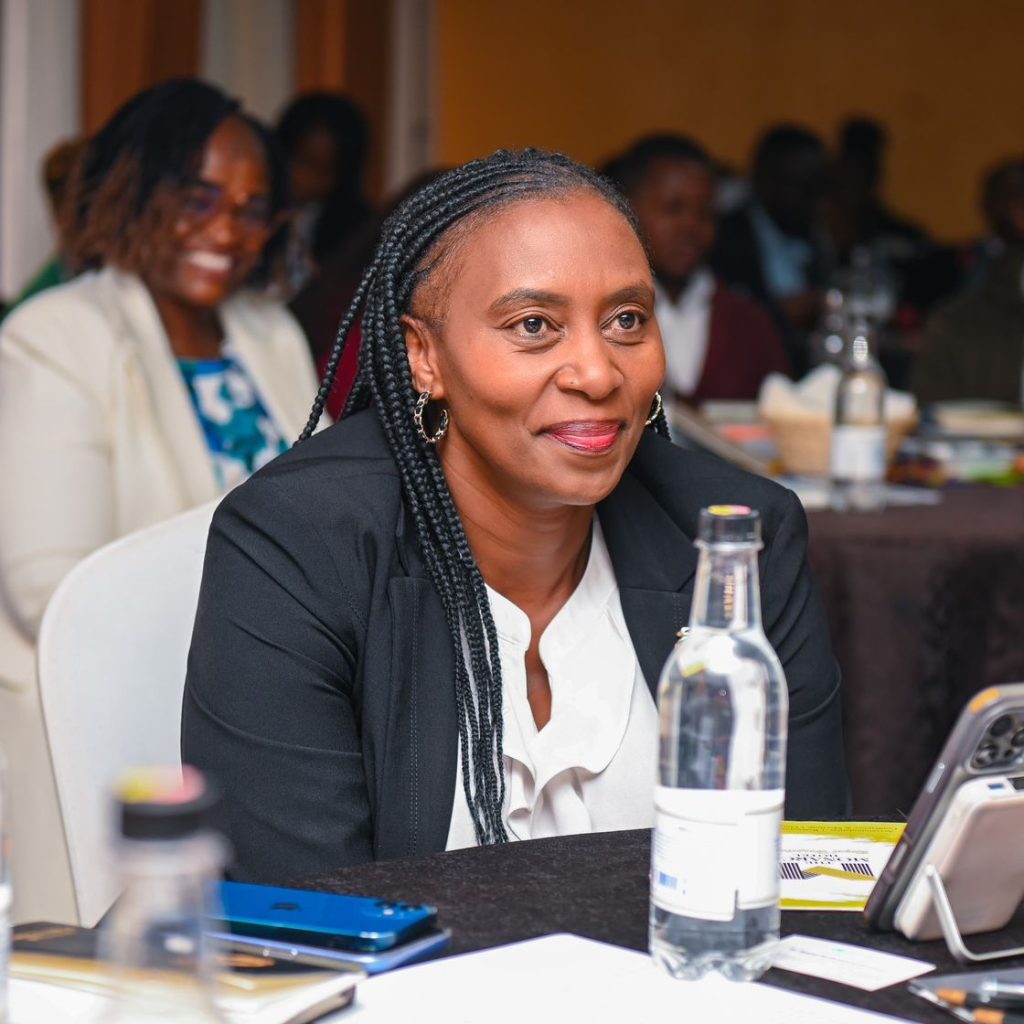
PS, Public Health and Professional Standards, Mary Muriuki
Kenya’s Principal Secretary for Public Health and Professional Standards, Mary Muriuki, has urged counties to intensify coordinated action on hygiene, safe water, sanitation and waste management, warning that preventable diseases continue to drain lives and public resources.
Speaking at the Epuka Uchafu, Afya Nyumbani stakeholder forum in Nairobi, Muriuki said poor hygiene, unsafe water and weak sanitation systems remain visible across households, markets, schools and health facilities — fueling diarrhoeal diseases, cholera, typhoid, malaria, respiratory infections and childhood malnutrition.
“Prevention is the most cost-effective investment we can make in our health system,” she said, cautioning that billions of shillings are lost annually through avoidable treatment costs, lost productivity, environmental damage and premature deaths linked to poor sanitation and unsafe water.
She stressed that Kenya’s pursuit of Universal Health Coverage cannot rely on curative services alone, but must prioritize household- and community-level prevention.
The Epuka Uchafu, Afya Nyumbani initiative, she said, is anchored in Primary Health Care Networks and delivered through Community Health Promoters. It promotes routine safe water practices, proper waste handling, sanitation and environmental cleanliness as everyday behaviors.
Muriuki called for stronger county coordination through functional steering committees and aligned national structures to streamline planning, supervision and reporting, avoid duplication and scale proven interventions.
She emphasized the need for reliable handwashing facilities, consistent hygiene supplies, safe household water treatment, protected water sources and routine water quality monitoring — particularly in informal settlements and underserved areas.
On waste management, the principal secretary urged counties to enforce segregation at source, strengthen collection systems and expand recycling and composting pathways to reduce environmental contamination and disease transmission while creating green jobs for youth and community groups.
She also underscored the role of schools in driving behavior change, calling for functional WASH facilities, active School Health Clubs and improved menstrual hygiene management to safeguard dignity for girls and women.
Muriuki concluded by urging clear commitments, aligned funding and sustained communication in local languages through mass and digital media to reinforce prevention messages.
“By investing in prevention at the household level, we can reduce avoidable illness, ease pressure on health facilities and accelerate progress toward Universal Health Coverage,” she said.