
By Samwel Doe Ouma
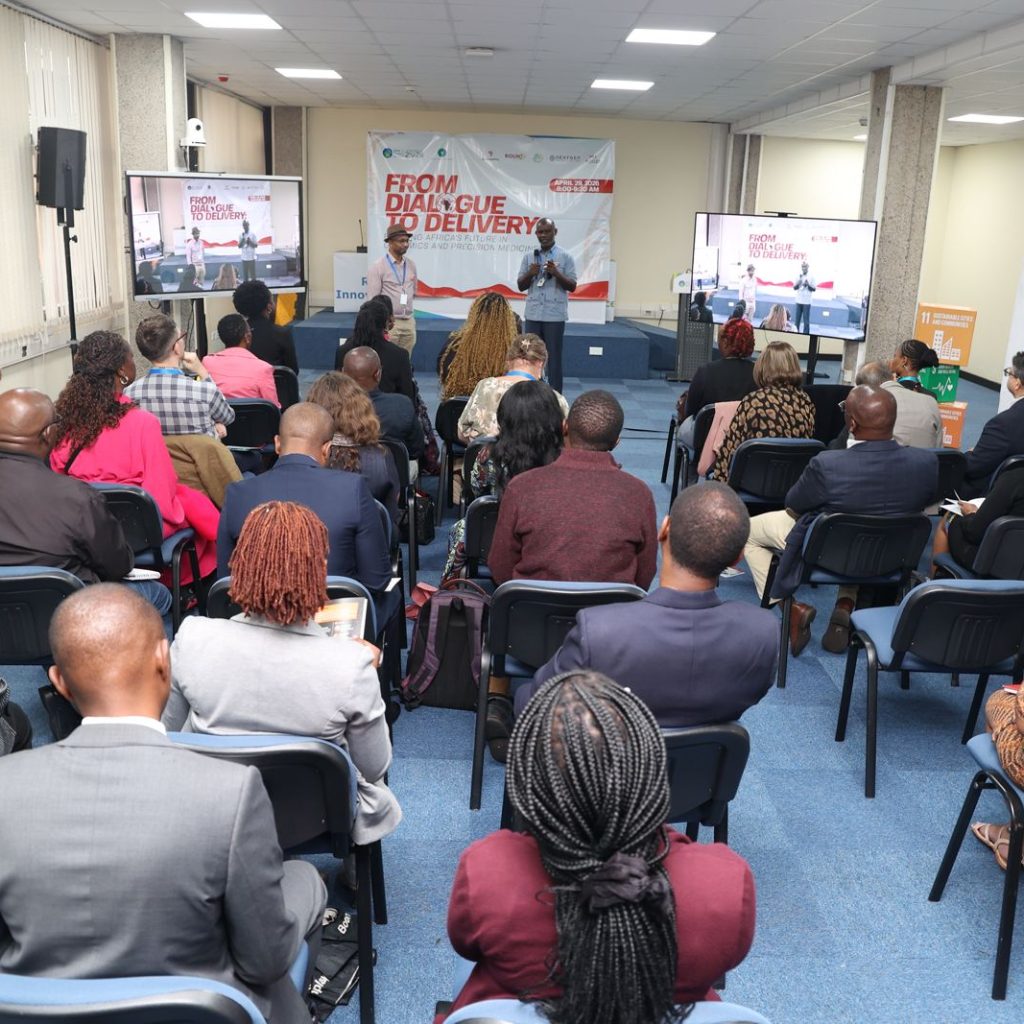
Africa’s effort to shape the future of global health research is taking center stage in Nairobi this week, where African Voices of Science is using the World Health Summit Regional Meeting to press for more funding, stronger representation and African-led innovation in two of medicine’s fastest-growing fields: genomics and women’s health research.
The initiative, powered by advocacy group Speak Up Africa, is convening high-level sessions on precision medicine and women’s leadership in health research during the April 27-29 summit at the United Nations Office in Nairobi.
The gathering comes as African researchers seek a greater role in setting priorities for a continent that carries a large share of the world’s disease burden but remains underrepresented in global health decision-making.
A baseline study cited by organizers found that from June 2024 to June 2025, African experts accounted for less than 5% of global conversations on health research, development and innovation across traditional and social media.
That imbalance matters, organizers say, because policy, financing and scientific priorities are often shaped by voices outside the continent.
“If the Accra Reset is to move from commitment to action, domestic resource mobilization for research and development must be part of the conversation,” said Glaudina Loots, an African Voices of Science champion and health innovation leader at the University of Pretoria and South Africa Medical Research Council.
The first session focuses on one of the most persistent gaps in science: women’s influence over research priorities and funding decisions.
Women account for only 31.5% of researchers in sub-Saharan Africa, according to organizers, and remain underrepresented in senior leadership, grant-making and agenda-setting roles.
That has consequences beyond equity, they say. It can influence which diseases receive funding, how clinical trials are designed and whether health technologies reflect the needs of women and communities most affected.
The panel is expected to introduce a Women’s Health R&D Scorecard, an African-led accountability tool intended to measure women’s inclusion and leadership across the research system.
The second session turns to genomics and precision medicine, an area attracting increasing investment worldwide as countries race to tailor treatments using genetic data.
Africa contains the world’s greatest human genetic diversity, yet African populations remain significantly underrepresented in global genomic databases. Scientists say that gap can lead to inaccurate diagnoses, misread genetic findings and medicines that may be less effective for African patients.
The Nairobi roundtable will bring together researchers, regulators, investors and development finance institutions to map out a 24-month roadmap for expanding genomics infrastructure, beginning with Kenya and Côte d’Ivoire.
“Sustainable health innovation in Africa depends on strong pan-African collaboration aligning investments, pooling resources and learning from one another,” said Robert Karanja, founder and executive director of Biolinx Africa.
Momentum for African-led science has been building as governments seek greater health sovereignty following lessons from the Covid-19 pandemic, when the continent struggled for equitable access to vaccines, diagnostics and manufacturing capacity.
The World Health Summit’s regional meeting theme “Reimagining Africa’s Health Systems: Innovation, Integration, and Interdependence” reflects that shift.