
By Kennedy Gakuha
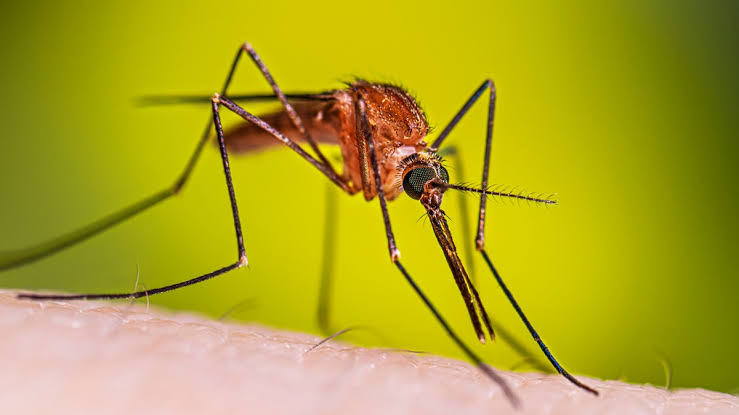
As the world marks Insect Week (22nd – 28th June), Scientists are working to unravel the world’s biggest insect challenge brought by mosquito a tiny, but most researched and notorious insect on the planet.
According to Rogers Atugonza a field entomology officer part of the Young Scientist Network (YSN) for target Malaria at the Uganda Virus Research Institute (UVRI) he says that what makes malaria mosquitoes so fascinating is their remarkable ability to adapt and survive.
"Malaria mosquitoes have evolved alongside humans for thousands of years. They are highly specialized, exceptionally resilient, and have developed behaviors that make them incredibly successful at finding human hosts and reproducing.” Said Atugonza
Despite weighing only a few milligrams, mosquitoes have proven that some of the world's biggest challenges can come in very small packages. Researchers have found that despite its tiny size, it has been responsible for transmitting diseases that have affected millions of people, mosquitoes continue to command the attention of researchers around the world.
For scientists working to combat malaria, understanding the mosquito remains one of the most important scientific challenges of our time. The insect's extraordinary ability to locate human hosts, reproduce rapidly and adapt to changing environments has made it one of the most studied organisms in the fight against infectious diseases.
Studies show that while there are 3,500 mosquito species globally, only a small number can transmit malaria. Among these, mosquitoes belonging to the Anopheles gambiae species complex are particularly effective vectors and are responsible for much of the malaria transmission in sub-Saharan Africa.
The Anopheles gambiae complex is often referred to by scientists as one of the most efficient disease-transmitting insects on Earth because of its strong preference for feeding on humans and its ability to thrive near human settlements.
According to researchers, female mosquitoes use a sophisticated combination of senses to track humans, detecting carbon dioxide from breath, body heat, movement and chemical compounds released through the skin. Unlike males, which feed on plant sugars, female mosquitoes require blood meals to produce eggs and can generate hundreds of offspring after mating only once.
Studies has found that mosquitoes adapt their behavior in response to environmental changes and disease control efforts. In some regions, mosquitoes have altered when and where they feed or rest, helping them survive despite widespread malaria interventions. This adaptability is one of the reasons malaria remains such a formidable public health.
"Every time we develop a new way to reduce mosquito populations or prevent bites, we learn more about how remarkably adaptable these insects are," says Atugonza. "Continuous investment in science is essential because it helps us design better tools to reduce ongoing malaria transmission."
The growing body of scientific research on mosquitoes has contributed to significant advances in malaria control over the years. This includes improved bed nets, new insecticides, vaccines, and emerging technologies like gene drive - currently under research.
Substantial progress has been made against malaria over the past two decades though the disease continues to disproportionately affect African communities, particularly young children under five, and pregnant women.
“Malaria mosquitoes are small but powerful. They have influenced human settlement patterns, public health systems, economic development, and scientific research for centuries. Few insects have had a greater impact on human history,” says Atugonza.
Young African Scientists are continuing to study the mosquito so that they help build the knowledge that’s needed to support future efforts to reduce the burden of malaria and move closer to a world free from the disease.